Stringed Instruments
Kinnor/lyre

A lyre has a body with two arms that are joined together with a crossbar, where the strings are attached from the body to the crossbar. The word “kinnor” is derived from the root “to twang”. This instrument was commonly played in the temples, and specialized in performing by itself, sometimes with other instruments.
Nebel/harp

Similar to the lyre, the harp has an angled neck that is either angular or arched. The word Nebel means “a skin bottle”. This is believed to relate to the shape of the sound box. Often played in the temples, a harp often accompanies another instrument such as a lyre for temple worship.
Lute

Like a violin or guitar, the lute has strings that run down the neck, which is connected to the body. This instrument has been found in Mesopotamian, Egyptian, and Hittite art, which signifies that this instrument was most likely present in Israel at the time.
Wind Instruments
Shofar/horn

Often made from a ram’s horn, the shofar has a curved shape and sometimes is adjusted with heat to remove deformities. This instrument was significant for signaling for gatherings or for war. The shofar is still used today for traditional and entertainment purposes.
Hasosera/trumpet

Mostly made from silver or brass, the hasosera is made up of a straight tube that opens up at one end. Compared to the shofar, the hasosera had a minimal number of pitches consisting of two or three and had a much sharper tone. Used for occasions of all kinds, it was used to assemble and motivate people while also used in war and celebration.
Pipe/flute

It is assumed that pipes were made from bone, hollowed wood, or from a cane. The material would then be punctured with holes. The various types of pipes in the bible could be compared with clarinets, oboes or flutes, as the two main types of pipes consisted of pipes with one or two reeds and pipes made with no reeds.
Percussion Instruments
Toph/hand drum
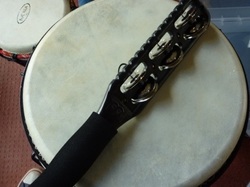
It is possible that this could vary as any shape or size, although they were mainly small hand drums. The different kinds of hand drums consisted of two skins that covered a wooden hoop or a single drumhead. They were used during dancing and for celebrating.
Meziltayim/cymbals

Sound changed according to the great variety in shapes and sizes, where they were played in temple services and signified the beginning, end and pause in performances.
Mena’anim/sistrum

This instrument makes sound when it is shaken, and comes in the form of rattles or sistrums. Different designs consist of a frame attached to a handle, where the crossbars jingle. This would be similar to sleigh bells, but with a harsher sound.
Pa’amonim/bells

These were not used for musical purposes, as they were attached to the garments of priests to indicate their presence.
There are many other instruments that are listed in the bible but are unknown to us presently. Some of these would include the Alamoth, Gittith and Neginoth. Additionally, the design of the instruments of this time would largely affect the sound, and would therefore sound shrill in comparison to the critically engineered modern instruments of today.
